Regulatory Shifts in Crypto Settlement Protocols for International Baccarat Networks
Finley Hansen · Nov 14, 2026
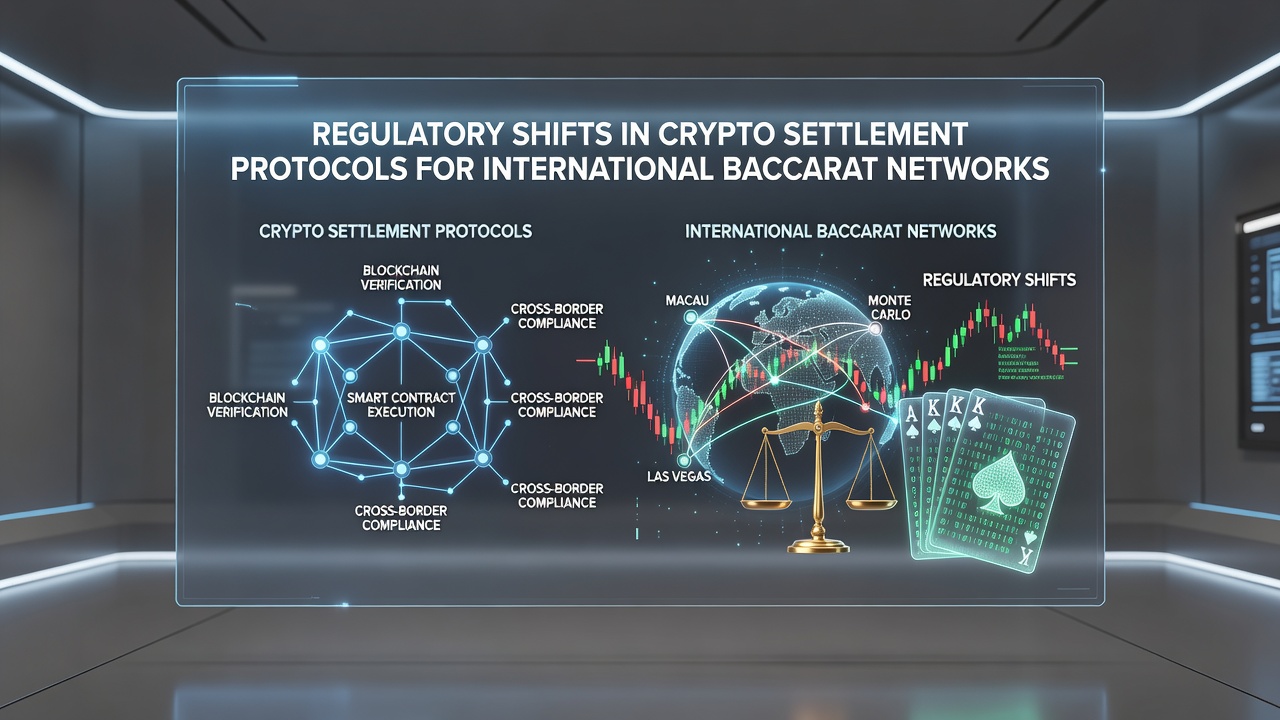
Regulatory Shifts in Crypto Settlement Protocols for International Baccarat Networks
Regulatory bodies across multiple jurisdictions have introduced updated guidelines for crypto settlement protocols that support international baccarat networks, with changes focused on transaction verification, cross-border compliance, and asset tracking standards. These adjustments address the integration of blockchain-based payments into live dealer environments where baccarat tables operate across time zones and player bases. Data from industry monitoring groups shows that settlement times for certain digital assets have shortened under new verification layers while maintaining audit trails required by anti-money laundering frameworks.
Core Elements of Recent Protocol Adjustments
Observers note that several regulatory updates emphasize real-time monitoring of wallet addresses linked to baccarat wagering activity, requiring operators to implement enhanced screening before funds clear. European authorities aligned with the latest Anti-Money Laundering Directive revisions have mandated that crypto gateways used by gaming platforms report aggregated transaction volumes above specific thresholds within defined windows, and this requirement extends to networks handling baccarat play from multiple continents. Australian regulators through AUSTRAC have published updated expectations for virtual asset service providers that process settlements for card games, including baccarat, which has led platforms to adopt multi-signature confirmation steps before balances update.
North American agencies have coordinated with international counterparts to standardize data sharing on high-velocity crypto movements tied to gambling sessions. One report from a Canadian research institute highlighted that baccarat networks using stablecoin settlements experienced fewer compliance flags after adopting automated reconciliation tools that align with the new protocol layers. These tools capture metadata such as player jurisdiction and bet frequency without interrupting game flow, which allows networks to maintain operational continuity while meeting reporting obligations.
Implementation Across Global Networks
Platforms operating baccarat tables for international audiences have rolled out segmented settlement rails that separate fiat on-ramps from direct crypto flows, reducing friction during regulatory audits. In November 2026, several operators are scheduled to activate enhanced protocol modules that incorporate zero-knowledge proof elements for verifying player eligibility without exposing full wallet histories. This development stems from collaborative work between technology providers and compliance teams responding to guidance issued by the Financial Action Task Force on virtual asset travel rules.

Research indicates that networks serving players in Asia-Pacific regions have seen settlement success rates improve after integrating jurisdiction-specific tagging systems into their crypto pipelines. These tags flag transactions originating from high-scrutiny areas and route them through additional validation queues, yet the overall processing duration remains competitive because parallel processing handles routine baccarat payouts. European operators have documented similar patterns where layered protocols allow baccarat sessions to conclude with near-instant credit confirmations once initial checks clear.
Technical and Compliance Integration Patterns
Experts tracking protocol adoption report that many baccarat networks now embed smart contract triggers that pause settlements automatically if predefined risk parameters activate, such as unusual volume spikes or mismatched geographic data. This approach draws from frameworks outlined in academic studies on distributed ledger applications in regulated gaming, where automated compliance checkpoints reduce manual review burdens. Industry associations have compiled case examples showing how these triggers integrate with existing game servers without altering core baccarat mechanics like card dealing sequences or payout multipliers.
Cross-border data exchange agreements have expanded in 2026, enabling regulators in different regions to query settlement ledgers maintained by international baccarat operators under secure protocols. One partnership involving authorities from Singapore and the Netherlands demonstrated that shared access to anonymized transaction graphs helped identify patterns in crypto movements linked to repeated high-stakes baccarat play, leading to refined risk scoring models used across networks.
Outlook for Ongoing Protocol Evolution
Further refinements are expected as regulators monitor the performance of current crypto settlement standards in live baccarat environments. Data collected through 2026 will likely inform adjustments to reporting frequencies and threshold levels, particularly for networks that facilitate play between players in jurisdictions with varying digital asset classifications. Organizations such as the International Association of Gaming Regulators continue to publish aggregated findings that operators reference when updating their internal systems to align with evolving expectations.
Conclusion
Regulatory shifts in crypto settlement protocols continue to shape how international baccarat networks manage cross-border transactions, with emphasis on verification speed, auditability, and coordinated oversight. Platforms that have incorporated updated compliance layers report smoother interactions with multiple regulatory frameworks while preserving the real-time nature of baccarat gameplay. Continued alignment between technical implementations and supervisory requirements will determine the trajectory of these protocols in the coming periods.