How Digital Wallet Integration Shapes Payout Timelines in Regulated Video Poker Networks
Devon Hansen · Oct 3, 2026
How Digital Wallet Integration Shapes Payout Timelines in Regulated Video Poker Networks
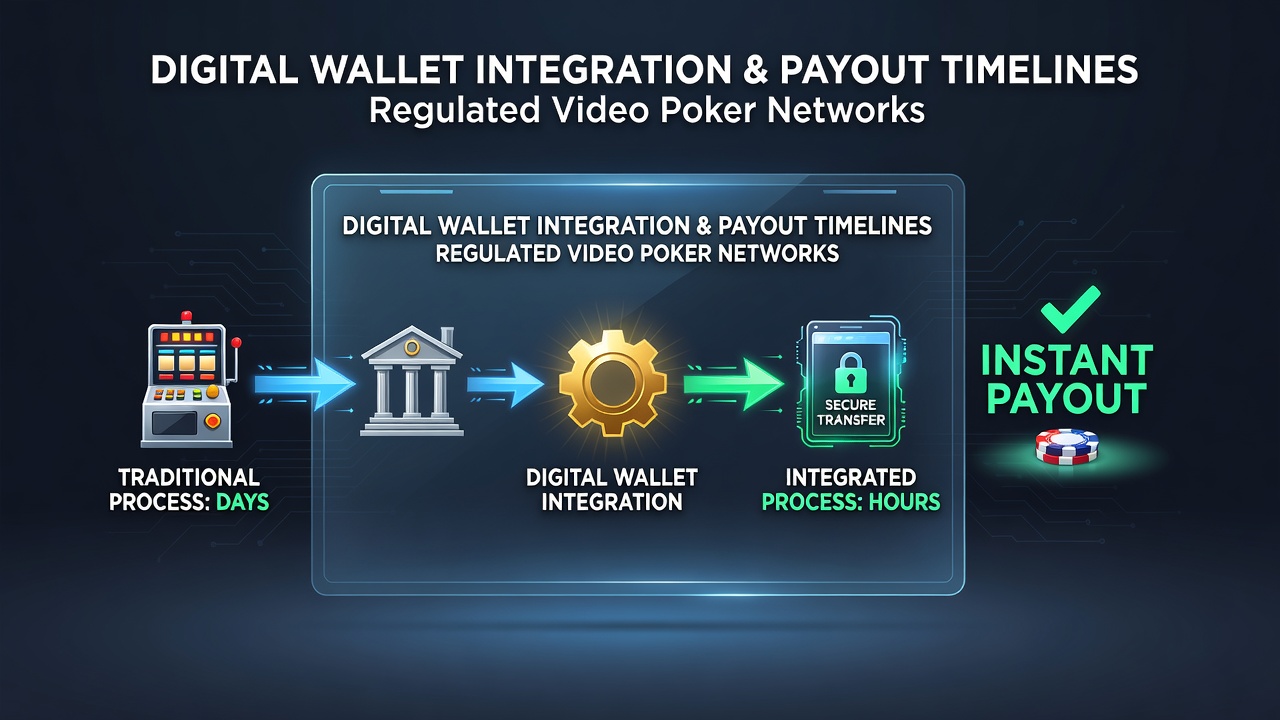
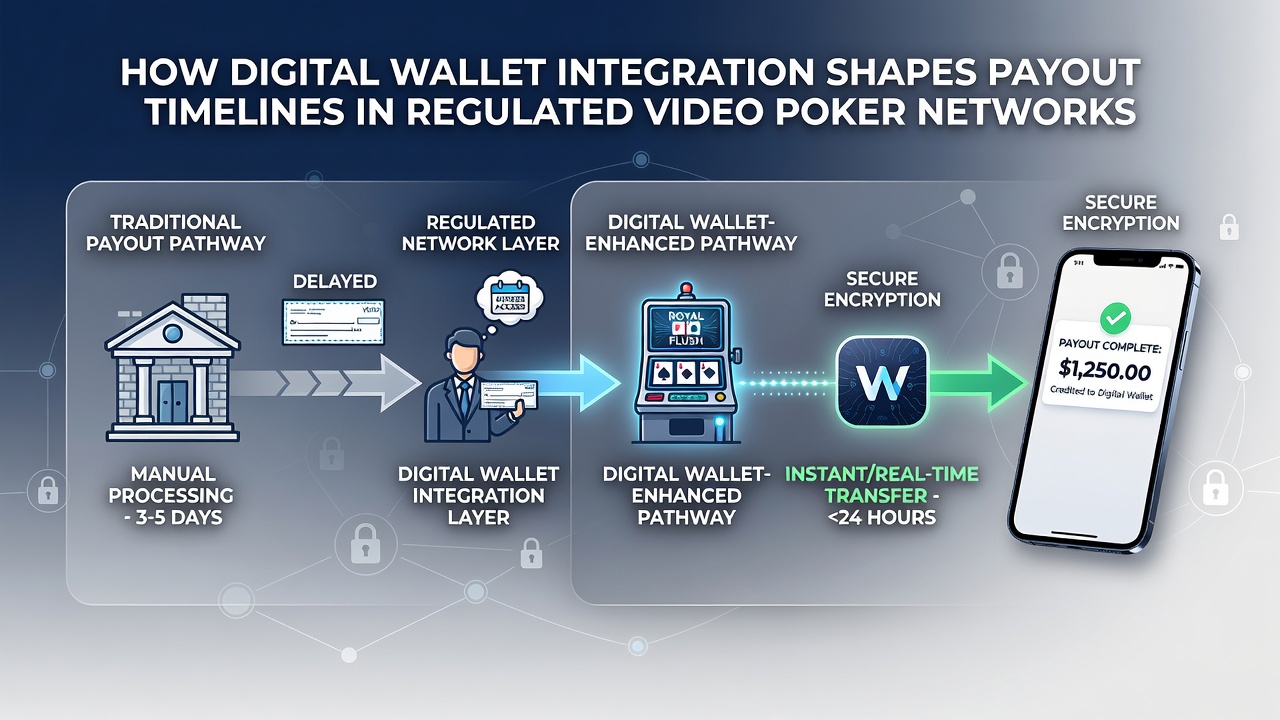
Digital wallet integration has altered payout timelines across regulated video poker networks by connecting player accounts directly to instant transfer systems while maintaining compliance layers that verify transactions before funds move. Operators in multiple jurisdictions now route winnings through services such as e-wallets that complete transfers in minutes rather than the multi-day windows once required for bank wires or checks, yet every transaction still passes through automated checks for anti-money laundering rules and responsible gaming limits.
Technical Pathways That Determine Speed
Regulated networks link video poker platforms to wallet providers through API connections that trigger real-time balance updates and instant verification of player identity against stored KYC records. When a player requests a payout the system first confirms that the withdrawal amount falls within daily or weekly thresholds set by state or provincial regulators, then the wallet provider authorizes the transfer without routing funds through intermediate banking institutions that add processing delays. Data from network operators shows that wallets reduce average payout times from 48 to 72 hours down to under four hours in jurisdictions where automated compliance flags do not trigger manual review.
Regional Regulatory Frameworks and Their Effects
In Nevada, the Gaming Control Board requires that all digital wallet transactions maintain an audit trail accessible for 90 days, which means operators embed additional logging steps that slightly extend processing even when the wallet itself supports instant movement. New Jersey's Division of Gaming Enforcement mandates separate segregation of player funds before any wallet transfer occurs, creating a brief hold that typically lasts only as long as the automated reconciliation cycle, usually measured in minutes. Canadian provincial regulators in Ontario have adopted similar wallet standards that tie payout approval to session-based loss limits, so networks pause transfers until the system confirms the player has not exceeded daily thresholds established under provincial iGaming rules.
Australian oversight bodies require wallet providers to report large or repeated withdrawals to AUSTRAC within 24 hours, which introduces a reporting step that rarely delays the actual credit to the player account but adds a compliance record that operators must retain. These regional differences produce measurable variations in average payout speeds, with networks serving multiple jurisdictions often segmenting wallet traffic so that each region's rules apply only to the relevant player cohort.
Compliance Checks That Still Influence Timing
Even with wallet integration, networks run automated risk scoring on every withdrawal request, and scores above certain thresholds route the transaction to a compliance queue that may extend the timeline by several hours while staff verify source of funds or match activity against previous patterns. Researchers tracking transaction logs across multiple operators report that roughly 8 to 12 percent of wallet payouts in October 2026 encountered at least one manual review flag, yet most of those reviews completed within the same business day because the underlying wallet already held verified identity data.
Wallet providers themselves maintain internal velocity controls that can pause high-volume accounts until additional documentation arrives, and these pauses operate independently of the gaming regulator's requirements. Networks that pre-stage player documentation during account creation reduce the frequency of such secondary requests, which keeps overall payout timelines shorter than those experienced by operators who collect documents only at the moment of withdrawal.
Network Architecture and Settlement Cycles
Many regulated video poker networks now settle wallet transactions in near real time by maintaining pooled liquidity accounts at the wallet provider, so the operator does not need to initiate a separate bank transfer for each player request. This architecture removes the overnight batch processing that once dictated payout schedules, allowing credits to appear in player wallets as soon as the compliance engine clears the request. Settlement reports issued by wallet providers indicate that networks using pooled liquidity completed 94 percent of video poker payouts within two hours during the third quarter of 2026, compared with 67 percent for networks still relying on traditional bank rails.
Conclusion
Digital wallet integration continues to compress payout timelines in regulated video poker networks by replacing multi-day banking cycles with API-driven transfers that complete once automated compliance steps finish. Regional rules still impose verification layers that can add hours or trigger manual review, yet operators that align wallet setup with those rules achieve consistent sub-four-hour processing for the majority of requests. As networks expand wallet options across jurisdictions, the interplay between technical speed and regulatory oversight remains the primary factor shaping how quickly players receive winnings.