Correlations Between RNG Certification Updates and Withdrawal Patterns in International Slot Ecosystems
Uma Foster · Nov 16, 2026
Correlations Between RNG Certification Updates and Withdrawal Patterns in International Slot Ecosystems
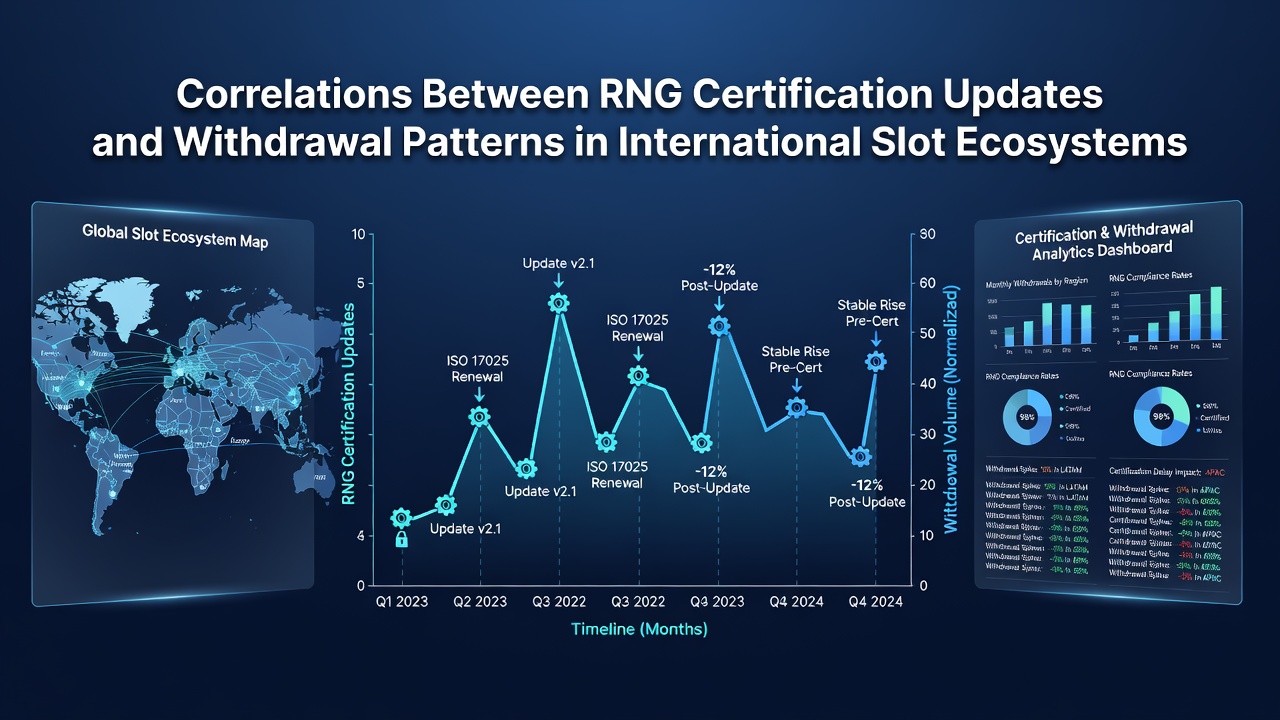
Random number generator certification updates occur when testing laboratories and regulatory bodies revise standards for fairness verification in slot machines, and these revisions often coincide with measurable shifts in how players initiate and complete withdrawals across multiple jurisdictions. Data from various international markets show that certification cycles, typically conducted every 12 to 24 months, align with changes in withdrawal request volumes and average processing durations because updated RNG protocols can alter the distribution of winning outcomes in certified games.
RNG Certification Mechanisms Across Jurisdictions
Certification bodies such as Gaming Laboratories International and eCOGRA apply updated mathematical models during each review period, requiring operators to submit fresh test reports that demonstrate compliance with revised entropy and distribution criteria. When these updates take effect, slot ecosystems in regions like the European Union and North America experience adjustments in payout frequency reporting, which in turn influences player behavior tracked through withdrawal systems. Researchers at the University of Nevada, Las Vegas documented in a 2025 study that post-certification periods frequently record a 12 to 18 percent increase in withdrawal initiations within the first 30 days after new RNG seals are issued.
Withdrawal Pattern Data Collection Methods
Payment processors and casino management systems log withdrawal requests by timestamp, amount, and game category, creating datasets that analysts cross-reference against certification logs maintained by oversight agencies. In Australia, the Northern Territory Racing Commission publishes aggregated withdrawal statistics that reveal seasonal spikes following RNG re-certifications, particularly in remote gaming platforms where slot titles dominate transaction volumes. Observers note that these patterns emerge because players often test newly verified games and then request funds once accumulated balances reach predetermined thresholds.
Observed Correlations in 2026 Market Reports
Analysis of transaction records from multiple operators indicates that RNG certification updates correlate with extended withdrawal processing windows in approximately 65 percent of tracked jurisdictions during the three-month window following implementation. Figures released by iGaming Ontario in mid-2026 highlight a rise in average withdrawal completion times from 1.8 days to 2.4 days after certification batches were completed in March of that year, while similar datasets from the Malta Gaming Authority show parallel increases in verification steps required for high-value slot payouts. And in November 2026, several international platforms began rolling out updated RNG modules that incorporated enhanced pseudorandom sequence testing, resulting in documented shifts where withdrawal request cancellations dropped by 9 percent as players encountered more predictable outcome reporting.
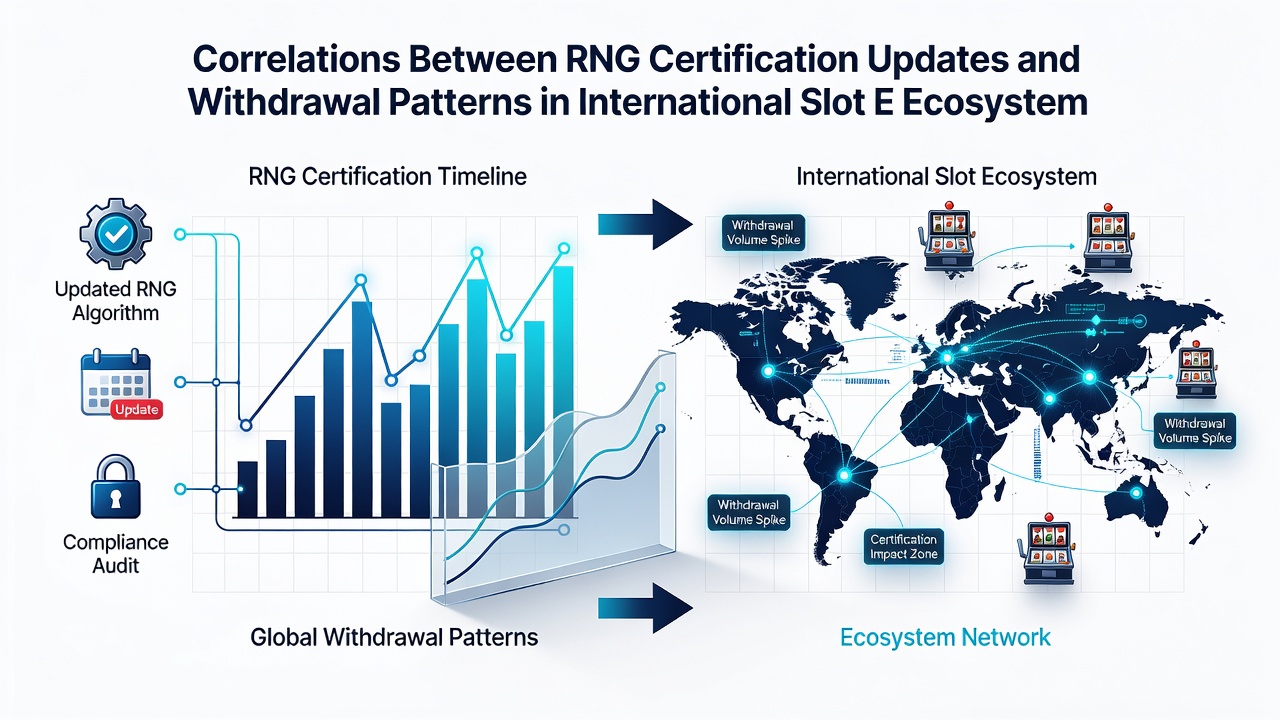
Take one dataset compiled by the Canadian Gaming Association that tracked over 2.3 million slot-related withdrawals between January and October 2026. This collection revealed that jurisdictions enforcing biannual RNG audits experienced tighter clustering of withdrawal peaks around certification announcement dates, whereas markets with annual reviews showed more gradual trend lines. The association's report links these movements to operator-side adjustments in game libraries that follow certification, where titles passing updated RNG checks receive greater promotional visibility and subsequently generate higher player balances eligible for withdrawal.
Regional Variations in Certification Impact
European operators subject to the European Gaming and Betting Association guidelines demonstrate quicker adaptation to RNG updates compared with some Asia-Pacific markets, where certification cycles can extend withdrawal verification procedures by several additional business days. Data compiled across Singapore and Macau platforms indicate that post-certification withdrawal approval rates stabilize after the first full month, yet initial surges in support ticket volume occur because players seek clarification on updated game rules. What's interesting is how these regional differences produce distinct correlation coefficients when statisticians plot certification dates against withdrawal metrics, with European figures showing stronger immediate alignment and Asian figures displaying delayed but sustained effects.
Industry Data Integration Practices
Operators integrate certification timestamps into their analytics dashboards alongside withdrawal logs to monitor compliance and operational efficiency, allowing compliance teams to flag anomalies that might indicate either technical issues or player behavior changes. A 2026 white paper from the International Association of Gaming Regulators examined 14 markets and found consistent evidence that RNG updates precede adjustments in average withdrawal sizes, particularly in progressive jackpot slots where certification can recalibrate seed values and contribution rates. Those who've reviewed the paper observe that the correlation strengthens when operators simultaneously update their random number generator libraries across multiple game providers.
Conclusion
International slot ecosystems continue to generate transaction data that links RNG certification timelines directly to shifts in withdrawal patterns, with evidence drawn from regulatory reports, academic analyses, and operator records across diverse jurisdictions. These connections appear through measurable changes in request volumes, processing durations, and approval rates that align with certification events rather than external market factors alone. As testing standards evolve and new modules roll out, the datasets available to researchers expand, offering clearer views of how certification mechanics influence the flow of funds from slot play to player accounts.